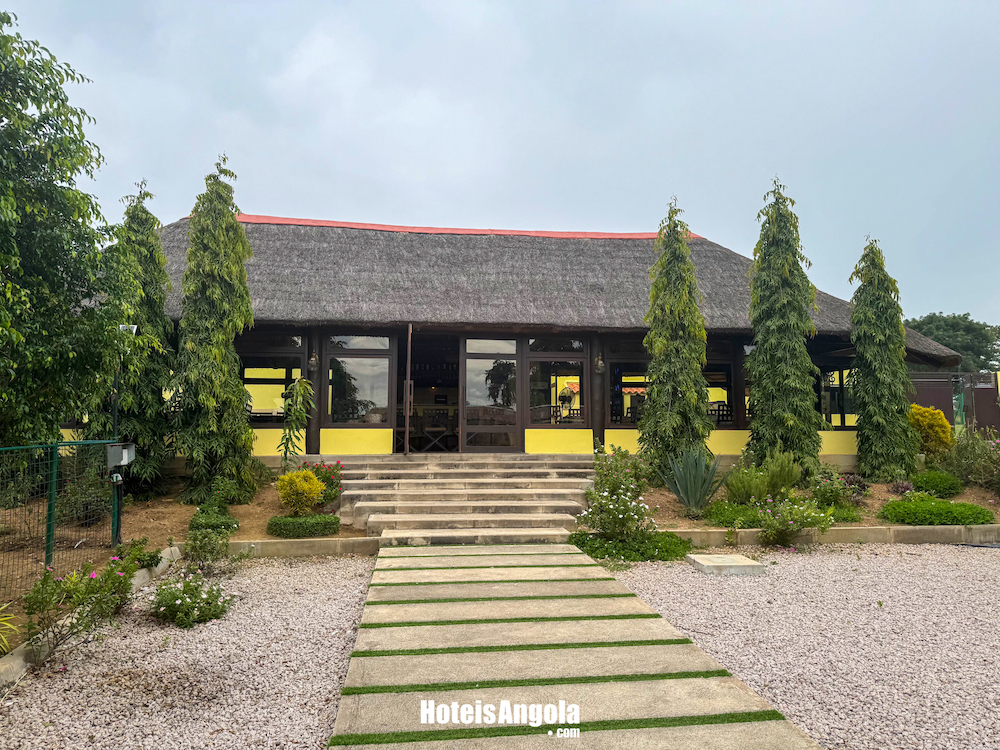
It is built within the Agricultural Experimental Station, supported by a foundation of concrete and timber pillars—a rare material for construction in the province (between 1912 and 1915).
A typically English-style house, it is considered the first structure of its kind in Huíla. The construction reflects practical considerations regarding the terrain and climate, while also showcasing European influences adapted to the African context.
The building is closely associated with José Norton de Matos, one of the most influential figures of the Portuguese colonial period during the First Republic. Governor-General of Angola between 1912 and 1915 and, later, High Commissioner, Norton de Matos was responsible for an extensive public works programme, including roads, railways and communication infrastructure.
General Norton de Matos was also one of the most important strategists of Portuguese colonialism during the First Republic.
He secured an unprecedented degree of autonomy for the administration of Angola. He advocated an apartheid-style racial regime and silenced the colony's first proto-nationalist voices.
Between late 2025 and early 2026, the site was engulfed in flames, but its existence will forever remain one of the most intriguing testimonies to the Portuguese colonial presence in the interior of Angola.
The surrounding area, where the building was constructed, is rich in natural landscapes and conducive to academic and recreational activities, further enhancing the area's potential as a cultural point of interest.


 English
 Português




 WhatsApp
 Phone
 Email

